
919.925.5910
The Doc is In
Exploring the synergy of peak performance and holistic health
for dynamic leaders and their teams.
Articles

Men Over 45: How Hormonal Shifts Undermine Executive Function—and What to Do About It
The Most Common Executive Performance Issue No One Is Talking About
Many male executives in their 40s and 50s come to me worried they’re “slipping.”
They’re still capable. Still respected. Still producing at the highest level.
But something feels different.
Thinking takes longer, and more effort
Decisions feel heavier.
Motivation fluctuates.
Pressure feels less manageable.
And recovering from hard days, both physically and mentally, takes a lot longer.
This isn’t burnout.
And it isn’t just “getting older.”
It’s a hormonal and neurobiological shift that directly affects executive function.
Executive Function Is a Biological Process
Executive function, your planning, focus, impulse control, emotional regulation, and working memory, is governed by the prefrontal cortex and its supporting systems.
Those systems are deeply influenced by:
testosterone
cortisol
DHEA
insulin/glucose signaling
inflammatory mediators
sleep-dependent neuron repair
So when these systems shift, performance shifts with them, either for the better or not.
Hormonal Changes for Men After 45
The transition is gradual, which is why it’s so often missed.
Testosterone Declines (Functionally, Not Always “Low”)
Testosterone supports:
confidence and decisiveness
thinking speed
motivation
stress tolerance
Under chronic stress (hello executives!) even modest declines can impair executive function without triggering “abnormal” labs.
2. Cortisol Becomes Dysregulated
Chronic leadership stress leads to:
elevated baseline cortisol
normal morning rise blunted
impaired shut-off at night
This disrupts focus, emotional regulation, and sleep-dependent brain recovery.
3. DHEA Drops
DHEA acts as a buffer against stress.
When levels fall, men experience reduced resilience and increased difficulty thinking clearly
4. Sleep Architecture Degrades
Men may sleep “enough hours” but lose:
deep sleep
REM consolidation
overnight neural repair
This directly impacts memory, learning, and strategic thinking.
5. Glucose & Inflammation Affect the Brain
Even mild glucose instability or low-grade inflammation can impair:
processing speed
mood regulation
sustained attention
These changes are often misattributed to stress or workload.
A 49-year-old CFO told me, “I know I’m still smart, but I’m slower under pressure.” His labs showed declining testosterone, elevated evening cortisol, and fragmented REM sleep. Once we stabilized sleep and stress hormones before addressing testosterone, his processing speed and decisiveness returned. He was right, it wasn’t a matter of his intelligence, it was that his physiology was simply under-supported.
Why Traditional Advice Misses the Mark
Most male leaders are told to:
exercise more
reduce stress
sleep better
eat cleaner
Helpful for many, but insufficient.
None of these specifically address:
hormone signaling
stress-hormone rhythm
neuroinflammation
sleep-stage disruption
mitochondrial brain energy
Because you can’t out-discipline physiology.
A 46-year-old tech founder assumed waning motivation for moving hs company forward meant he was reaching burnout. Testing revealed low DHEA, glucose instability, and chronic inflammation affecting his ability to think clearly for long periods. With targeted metabolic and stress support, his motivation returned without changing workload. He hadn’t lost his love for his work, just the biology to support it
What a Performance-Based Evaluation Reveals
When we test properly, we often find:
suboptimal testosterone relative to demand
flattened or reversed cortisol curves
low DHEA
impaired glucose control
elevated inflammatory markers
reduced HRV
These patterns explain the symptoms and guide the solution.
Restoring Executive Function in Midlife Men
High-performing men don’t need generic wellness.
They need sequenced, physiology-driven support:
Comprehensive hormone mapping
Stress physiology recalibration
Sleep-stage restoration
Metabolic and glucose stabilization
Inflammation reduction
Mitochondrial brain-energy support
When these systems realign, men often report:
sharper thinking
steadier emotions
renewed motivation
improved decision-making
greater confidence under pressure
The Strategic Implication for Organizations
When male leaders quietly lose executive function, companies lose:
speed
clarity
innovation
emotional steadiness
leadership presence
We’ve been trained to think this is a personal, “What’s wrong with him?” issue. It’s not.
It’s a body systems issue affecting performance.
The Path Forward
Midlife can be the beginning of a slow decline—or a recalibration.
As we move into 2026, executive health must evolve to include:
hormone literacy
performance physiology
early detection
provider training at a higher standard
If you’re a man over 45, know that you don’t need to “grit and push through.”
You need personalized care that matches the level you’re being asked to lead. it’s time to evaluate physiology, not willpower.
If you’re a provider who wants to support men at this level, advanced training is coming in 2026.

Videos
From energy to weight to mindset, sleep, and hormones, we'll cover easy lifestyle hacks that support peak performance.
Why Can't I Lose Weight After 40?
It's not just calories in, calories out. Learn 3 key reasons you may be struggling.
Lifestyle Health Myths
What's all the fuss ? Does it really work?
What Corporate Clients Think About Dr. Susan

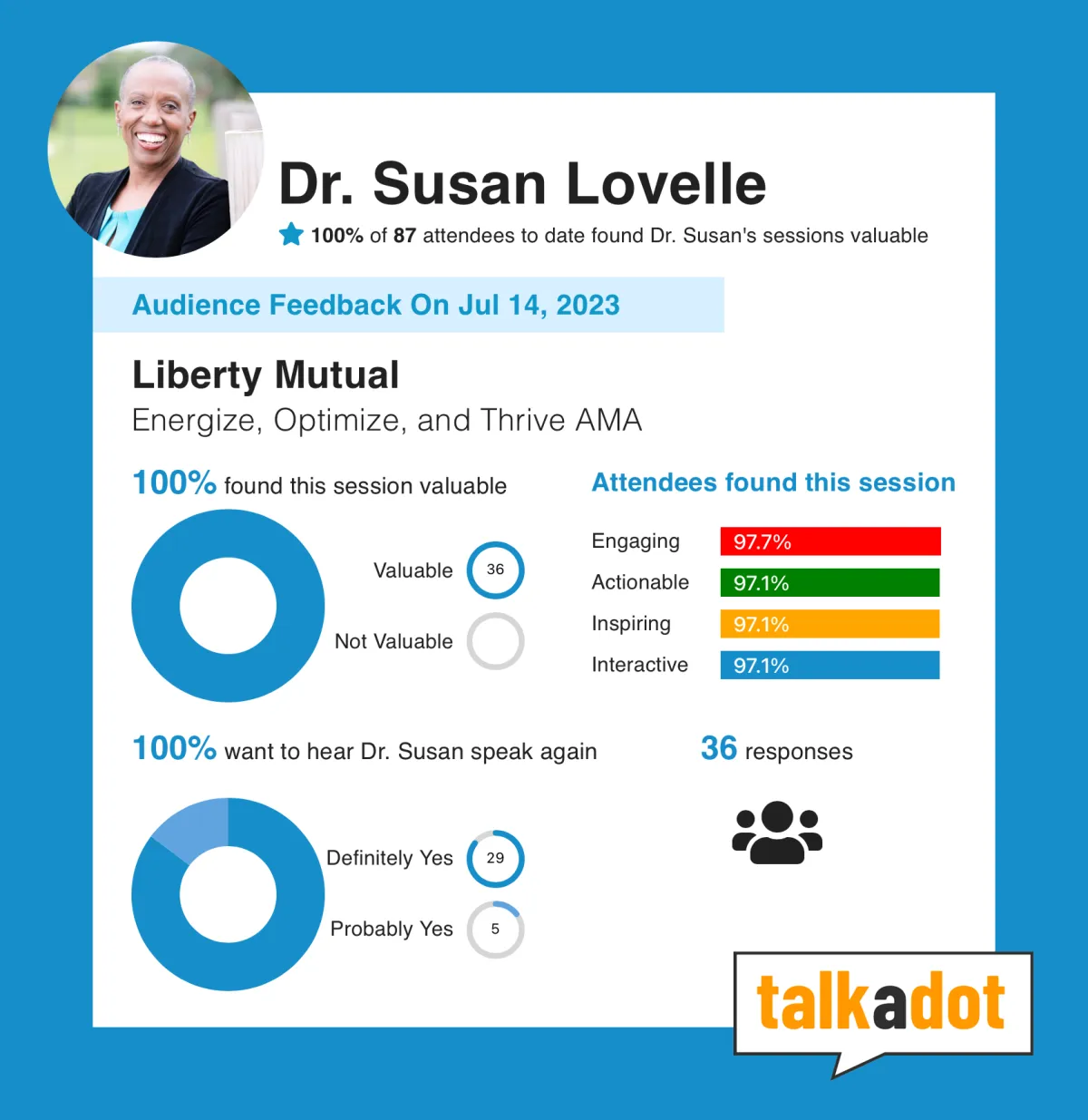
(Click for Full Report)
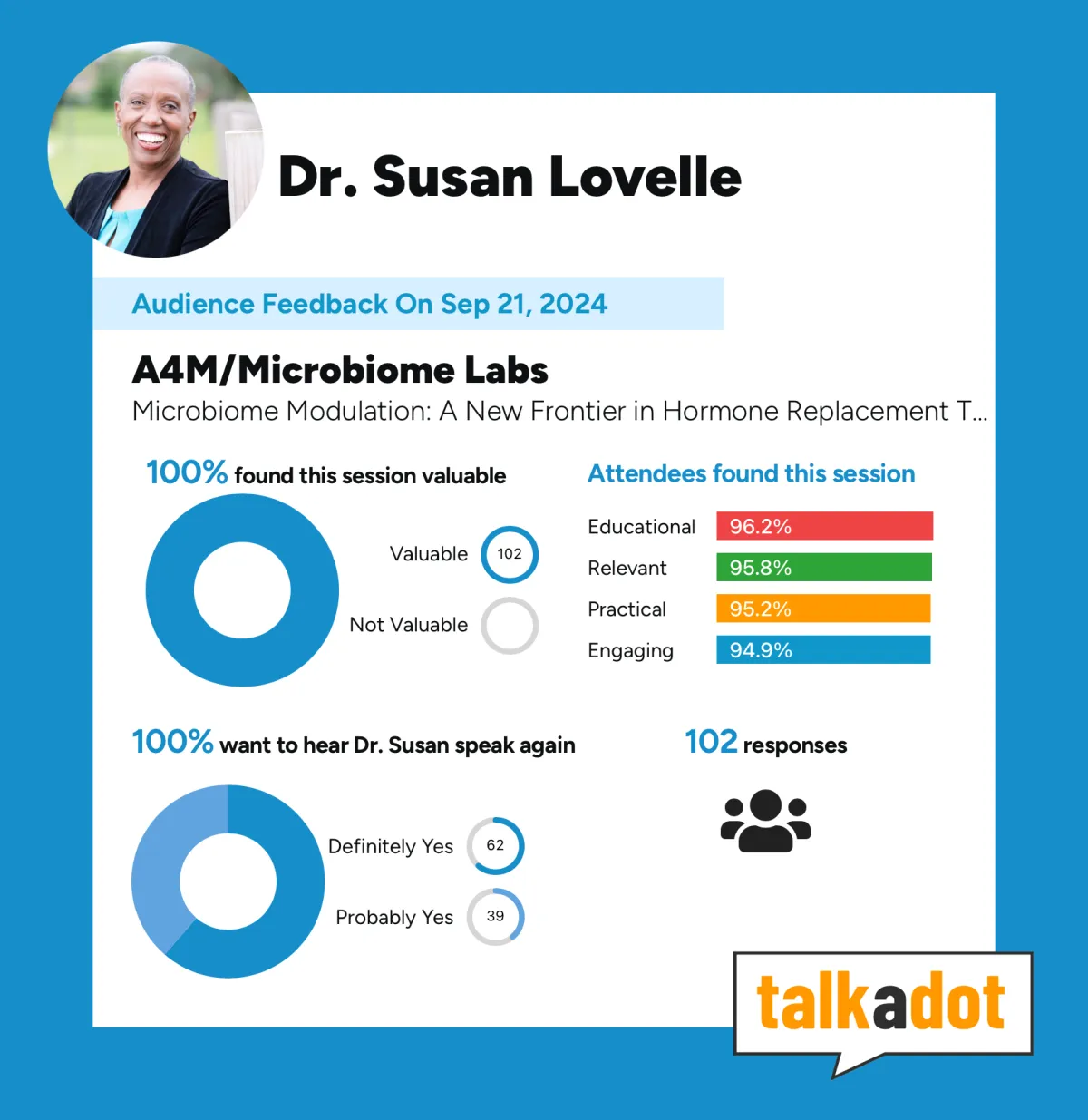
(Click for Full Report)
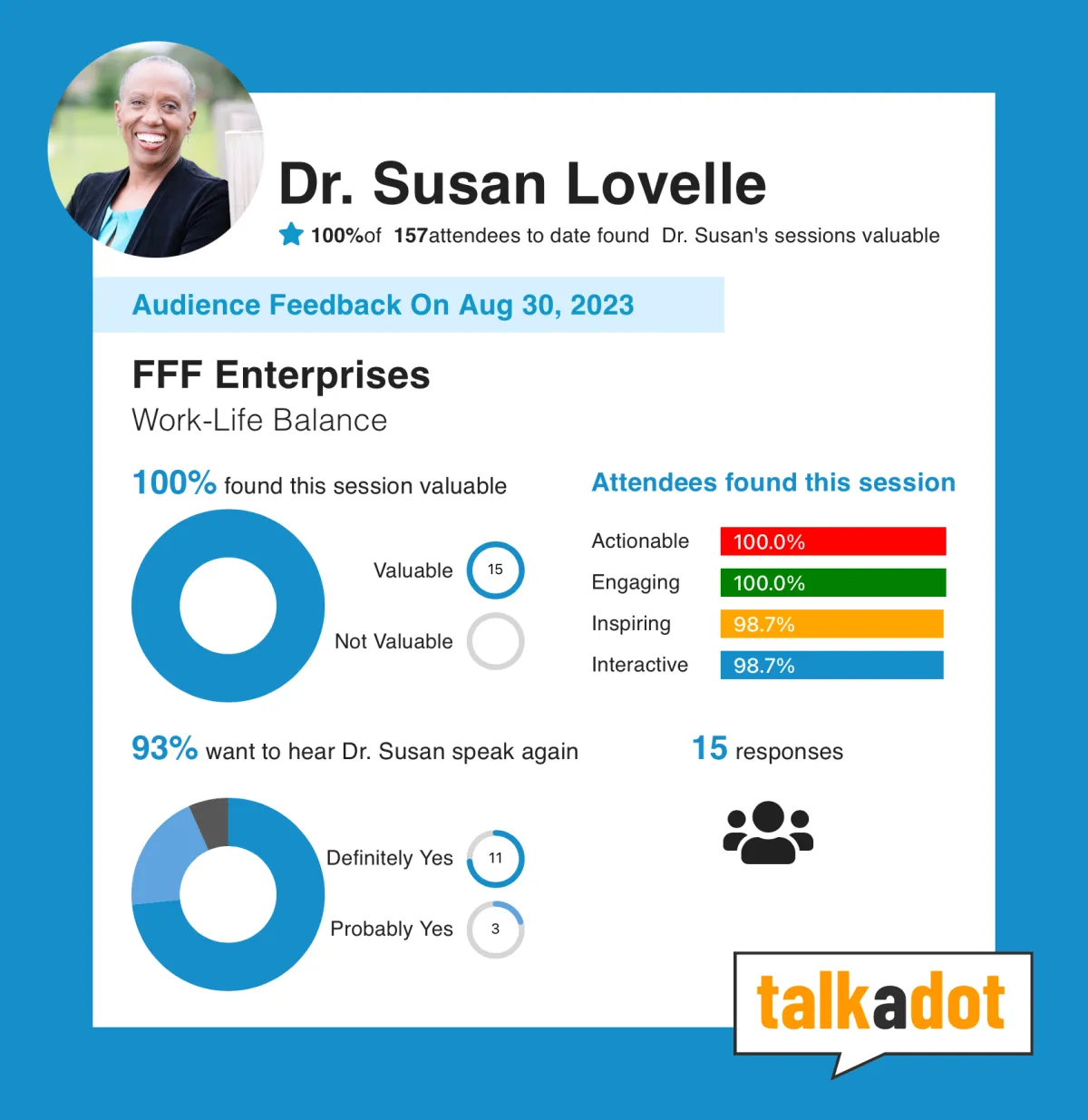
(Click for Full Report)
Get In Touch
Email: Admin@balancedperformance.pro
Address
Office: 7718 Six Forks Rd; Suite 106
Raleigh, NC 27615
Hours
Mon – Thurs: 9:00am – 6:00pm
Friday: 9:00-2:00pm
Saturday, Sunday: Closed
Phone Number: 919-925-5910
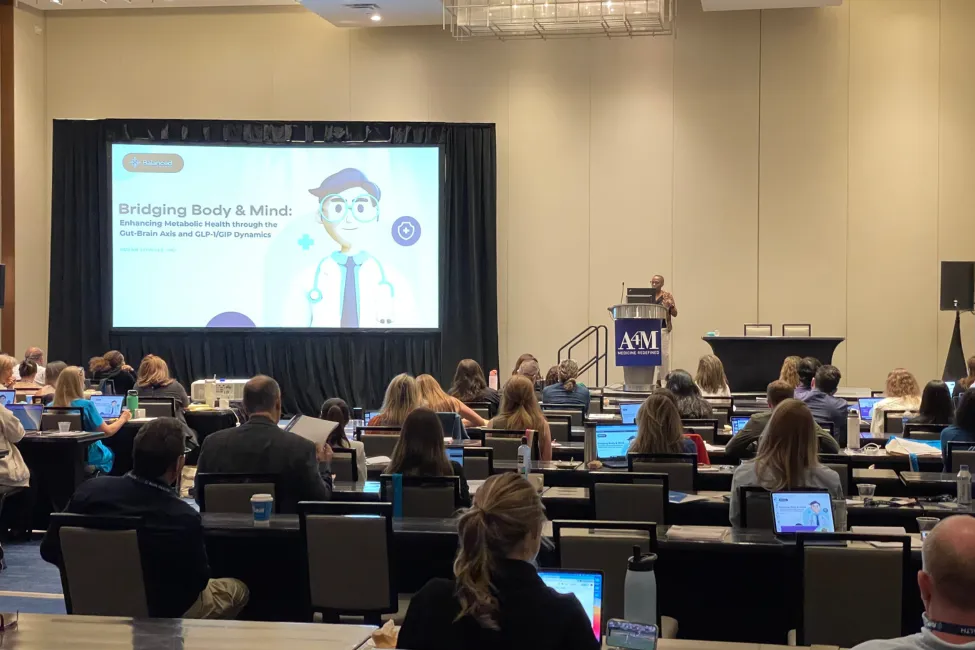
The Future of Work is Balanced Performance.
Accelerate corporate success through personalized lifestyle health.
© 2026 Allen Physicians, PLLC
All Rights Reserved